


The Untold History of Cleveland's Multiracial Welfare Rights Movement
Kimberly Stahler, Ph.D.

Introduction
This website seeks to change the way you think about poverty and democracy. It explores the untold history of White, Black, and Puerto Rican women in Cleveland who built a grassroots movement for better public assistance programs. United by a belief in participatory democracy, they fought to end economic injustice by democratizing the welfare state.
Poverty has been a persistent social problem in the United States. At the height of the Great Depression, one in four workers were unemployed. By 1960, 39 million Americans endured poverty. In 2022, over 40 million people (12.6%) lived below the federal government's supplemental poverty measure.
Cleveland's welfare rights movement was built by a multiracial group of women who had little chance of shaping welfare policy. None of them held public office. Though they could and did vote, elected officials did not consider them to be an important voting demographic. They believed their only chance of influencing welfare policy and ending poverty was through a radical form of American democracy called participatory democracy.


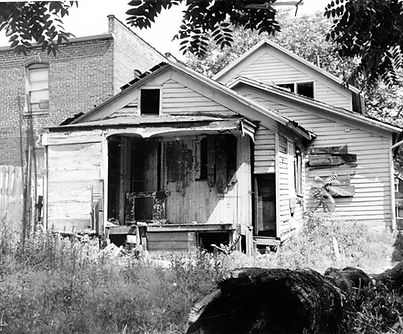

Aid to Dependent Children, or Welfare
Welfare had a changing definition over the twentieth century. It came to be used as it is today (to refer to public assistance for families experiencing poverty) in the postwar period. When a person said "welfare" in the 1960s, they referred specifically to a program that no longer exists: Aid to Families with Dependent Children.